Why Billionaire Success Quotes Ring Hollow Before Breakfast
Published
Modern hustle culture has warped how we view motivation, turning simple historical advice into a relentless drumbeat of daily productivity demands.
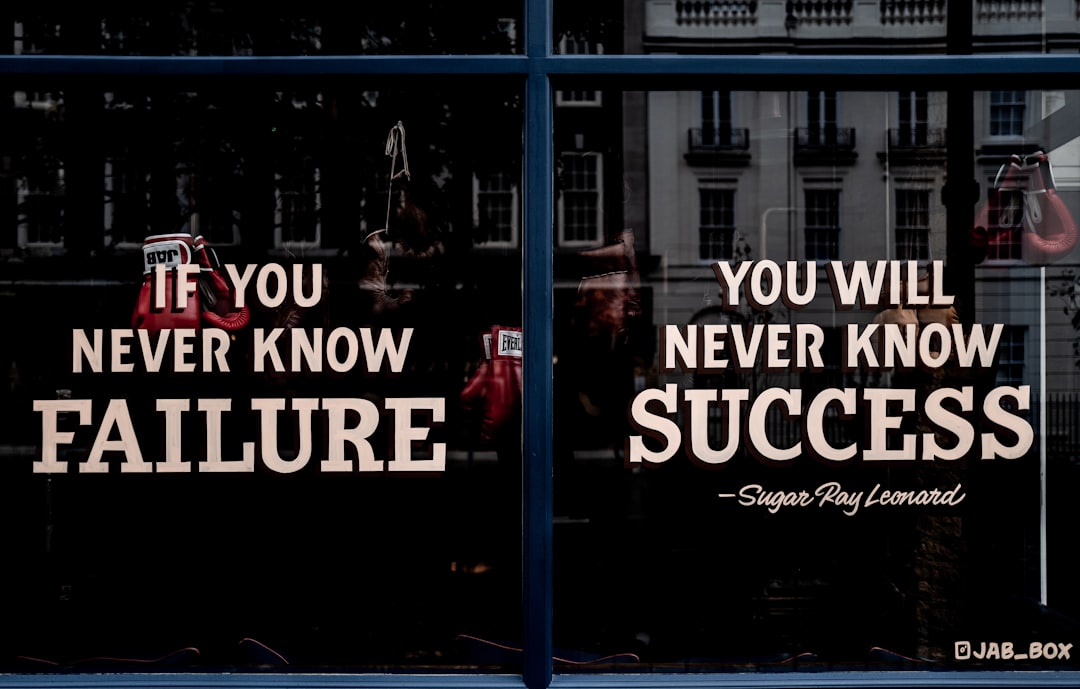
Scroll through any social media feed at six in the morning, and you will inevitably encounter a photograph of a luxury car layered with aggressive text about outworking your rivals. This aesthetic dominates modern mornings. Yet, when we parse the actual words of historical figures who built lasting legacies, their definitions of achievement rarely resemble the caffeine-fueled grind heavily promoted by tech influencers today.
The Myth of the Relentless Grind
The prevailing internet narrative insists that triumph requires the complete sacrifice of sleep, relationships, and basic human comfort in exchange for financial leverage. It suggests a zero-sum game where resting equates to losing. True accomplishment, according to a 1928 letter from industrialist Henry Ford to his management team, hinges instead on creating sustainable systems that allow workers time to think. Ford introduced the five-day workweek not out of charity, but because exhausted laborers simply made more mistakes on the assembly line. If you want to dive deeper into the mindset of early risers who build with intention, exploring uplifting morning sentiments often reveals a surprising emphasis on stillness over frenzy.
"Success is not final, failure is not fatal: it is the courage to continue that counts."
Winston Churchill never actually said this, despite millions of coffee mugs attributing the sentiment to him during the Blitz of 1940. The phrase likely originated in the 1930s from an advertising executive named George F. Nordenholt. People attach Churchill's name to it because we desperately want our morning inspiration to carry the weight of a world leader who stared down tyranny.
"I attribute my success to this: I never gave or took any excuse."
Florence Nightingale wrote this blunt assessment. She transformed modern nursing practices during the Crimean War in 1854, armed with statistical analysis and a ferocious refusal to accept the horrific sanitary conditions of military hospitals.
The Reality of Iterative Progress
Genius is mostly sweat. When Marie Curie isolated radium in 1902, she did not rely on a sudden surge of motivational energy or a perfectly curated vision board. She spent years manually stirring boiling vats of pitchblende in a drafty Paris shed until her hands physically blistered. The work itself became the reward long before the Nobel Prize committee finally recognized her monumental breakthrough.
Further reading
- Examine how early risers recalibrate their daily ambition before heading to the office.
- Consider what mental frameworks foster steady daily progress when you feel stuck.
- Review the words that help establish morning momentum during difficult weeks.
- Look at why specific phrases trigger productive action in high-stress environments.
Realizing your potential rarely involves shouting affirmations at a bathroom mirror while running on three hours of sleep. It requires focus. It usually looks like brewing a cup of tea, identifying the single most important task of the day, and quietly sitting down at the desk.